


Hydraulic pipe fittings
Classification :
Pipe fitting
PRODUCT DETAILS
|
Designator |
Material |
Bar Stock |
Forged |
|
SS |
Stainless Steel 316 |
ASTM A276 |
ASTM A182 |
|
S4 |
Stainless Steel 304 |
ASTM A276 |
ASTM A182 |
|
CS |
Cabon Steel |
ASTM A108 |
ASTM A105 |
|
B |
Brass |
ASTM B16/B453 |
ASTM B283 |
|
AL |
Aluminum |
ASTM B211 |
ASTM B247 |
Plating and Coating
To resist corrosion, all carbon steel fittings are treated with an electrodeposited zinc plating.
Thread Specifications
|
Thread Type |
Specification |
|
NPT |
ASME B1.20.1, SAE AS71051 |
|
ISO/BSP (parallel, based on DIN 3852) RP and RS fittings |
ISO 228, JIS B0202 |
|
ISO/BSP (tapered, based on DIN 3852) RT fittings |
ISO 7/1, BS EN 10226-1, JIS B0203 |
|
ISO/BSP (gauge) (based on EN 837-1 and 837-3) RG fittings |
ISO 228, JIS B0202 |
|
Unified (SAE) ST fittings |
ASME B1.1 |
Temperature Ratings
|
Fitting Materials |
|
Gasket, O-Ring Materials |
|||
|
Material |
Max Temperature |
Material |
Max Temperature |
Mini Temperature |
|
|
stainless steel |
1000 °F / 537 °C |
Buna N |
230 °F / 110 °C |
– 13 °F / -25 °C |
|
|
Carbon steel |
375 °F / 190 °C |
Fluorocarbon FKM |
400°F / 204 °C |
–20°F / -28 °C |
|
|
Brass |
400 °F / 204 °C |
Copper |
400°F / 204 °C |
–325°F / -198 °C |
|
Installation Instructions
For proper assembly following assembly instruction shall be followed. Improper assembly may lead to malfunctions or impair safety.
Assembly in fittingbody
1. Cut the tube:
1/2˚ angle tolerance to the tube axis is permissible. Tube cutter is not recommendable.
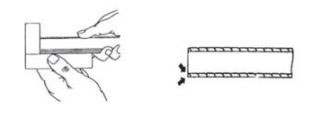
2. Lightly remove chips and particles from the inside and outside cut edges of tube. Bevel up to 0.2mm × 45˚ is permissible.
3. For tube bend, the minimum height from the straight pipe end to the bending radius must be at least twice the height of the nut.
4. Lubricate thread and cone of the fitting body, ring and thread of nut.
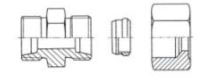
Assembly
5. Slip nut and then ring onto the tube end. Ensure that the ring is placed correctly.
6. Screw nut manually onto fitting body until finger tight. Hold the tube against the shoulder in the cone of the fitting body.
7. Mark nut and tube for measuring the prescribed turns of the nut.
8. Tighten the nut 1 1/4 turns. Tube must not turn with tube. Stop edge of the ring limits over-tightening by increasing tightening torque.
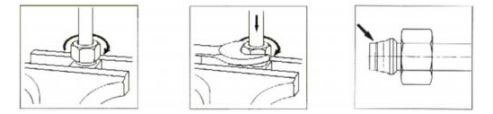
Check & Final Assembly
9. Loosen nut and remove ring-mounted tube from fitting. And check if a visivle collar has formed on the pipe in front of the first cutting edge. If not, tighten slightly more.
10. Insert the pre-assembled tube into the fitting.
While holding fitting body with a wrench, tighten nut approx. 1/4 revolution beyond the point of a clearly perceptible resistance.
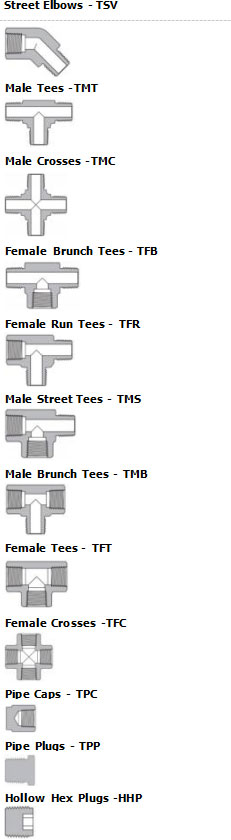
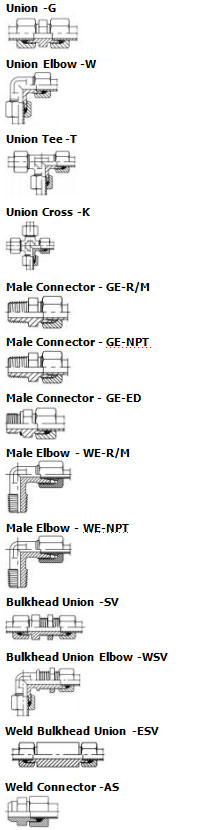
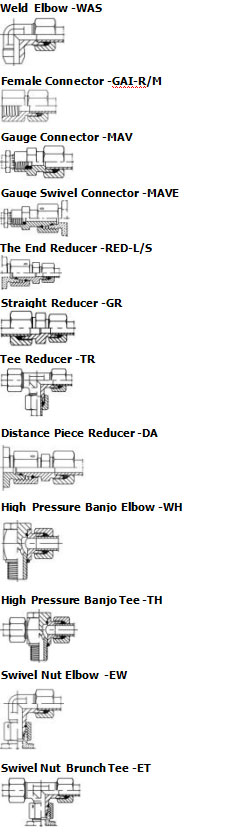
Product Specification

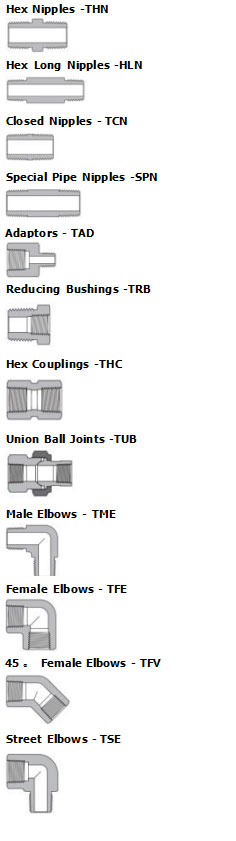
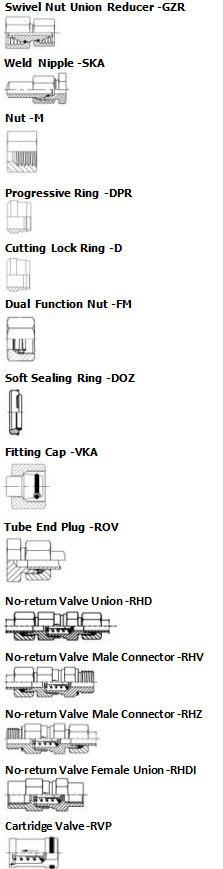
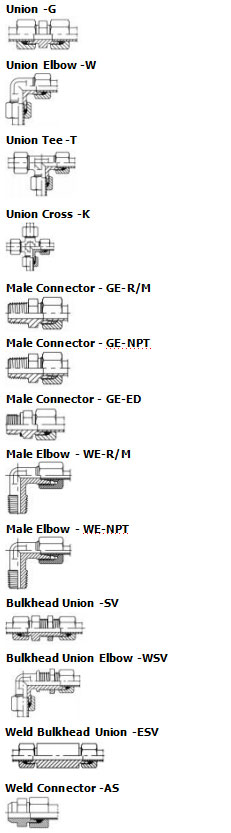
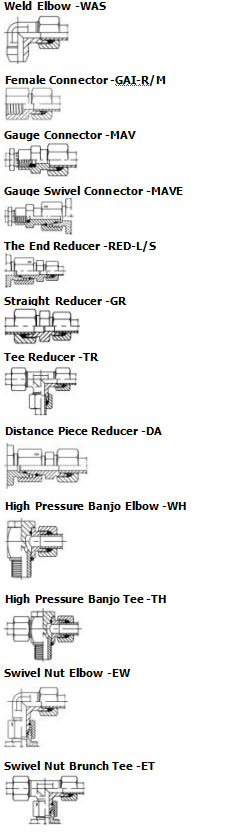


Customer Chat
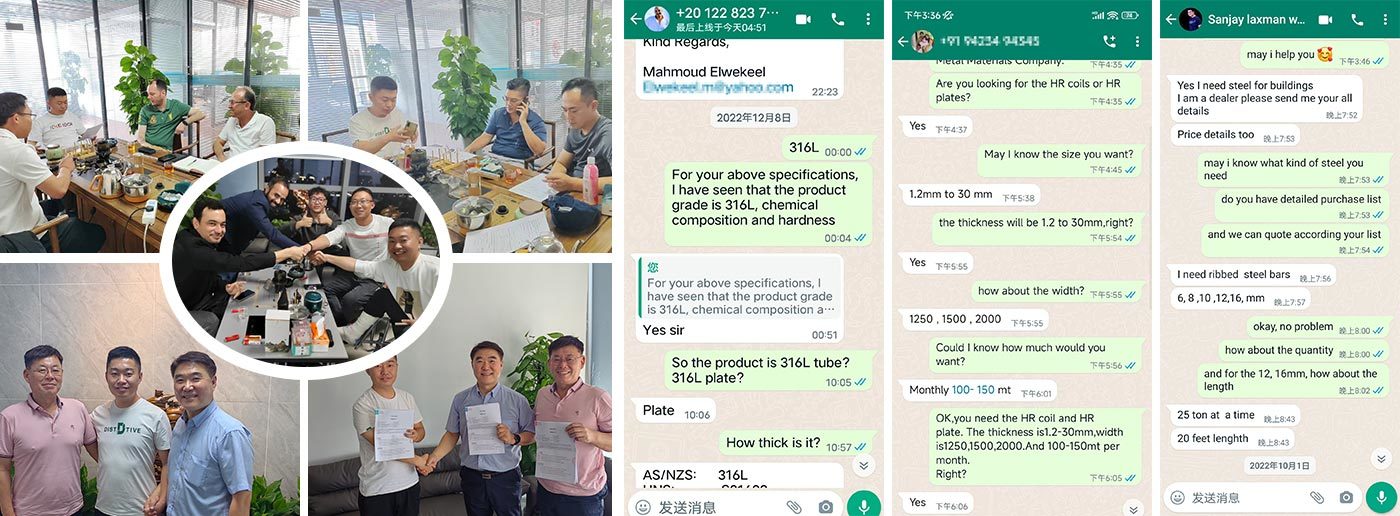
The products sell well all over the country and are exported to more than 50 countries including the European Union, the United States, Australia, Southeast Asia, and the Middle East
FAQ

Q1:Can you send samples?

A:Of course, we can provide customers with free samples and express shipping service to all over of the world.
Q2:What product information do I need to provide?
A:Please kindly provide the grade, width, thickness, surface treatment requirement should you have and quantities you need to purchase.
Q3:It's my first time to import steel products, can you help me with it?
A:Sure,we have agent to arrange the shipment, we will do it together with you.
Q4:What about product prices information?
A:Prices various according to periodic price changes of raw materials.
Q5:What ports of shipment are there?
A:Under normal circumstances, we ship from Shanghai, Tianjin, Qingdao, Ningbo ports, you can specify other ports according to your needs.
Q6:What is your terms of payment ?
A:Payment =1000USD, 100% in advance. Payment=1000USD, 30% T/T in advance ,balance before shipment or based on BL copy or LC at sight.
Q7.Do you provide custom made Products service?
A: Yes,if you have your own design , we can produce according to your specification and drawing.
RELATED PRODUCTS
CONTACT US
CONTACT US
Tel : +86-18963080991
E-mail : tiffany@hw-steel.com
WhatApp : +86-18963080991
Address : Building 1, Zhongjian Jinxiu Plaza, Huaiyin District, Jinan City, Shandong Province


GET A FREE QUOTE